
Opened in 2006, Mayflower Park is located within the Hamptons estate, on the site of a former sewage works. It has a variety of features and habitats, including a grass amphitheatre, shrubs and coppiced woodland.
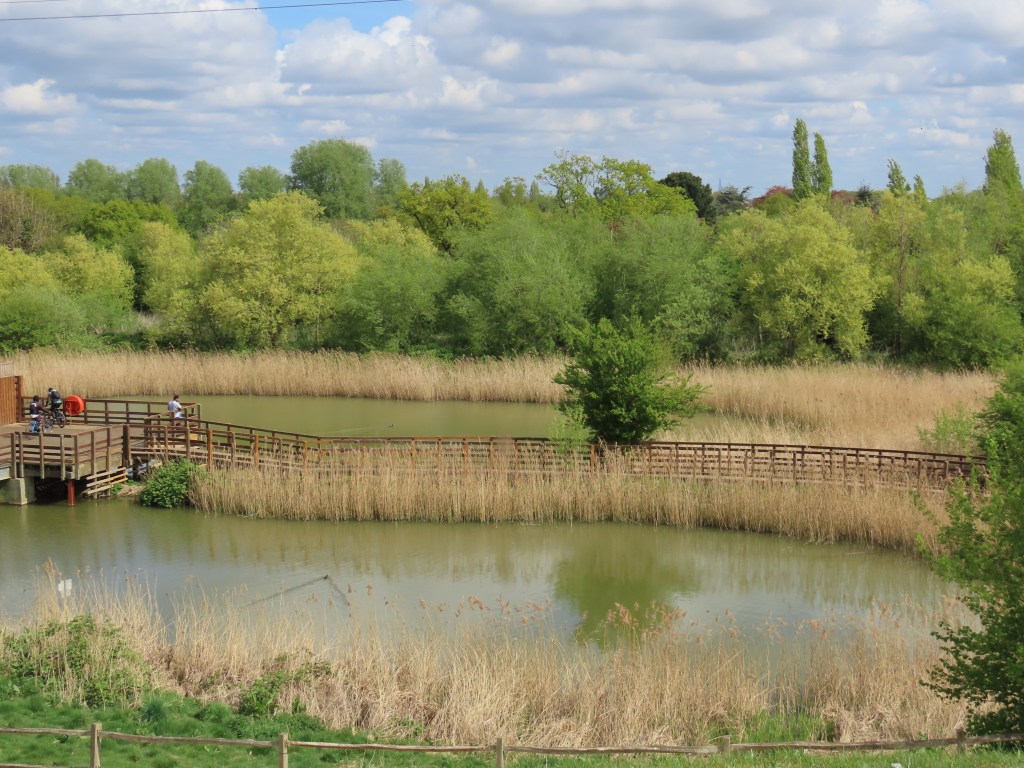
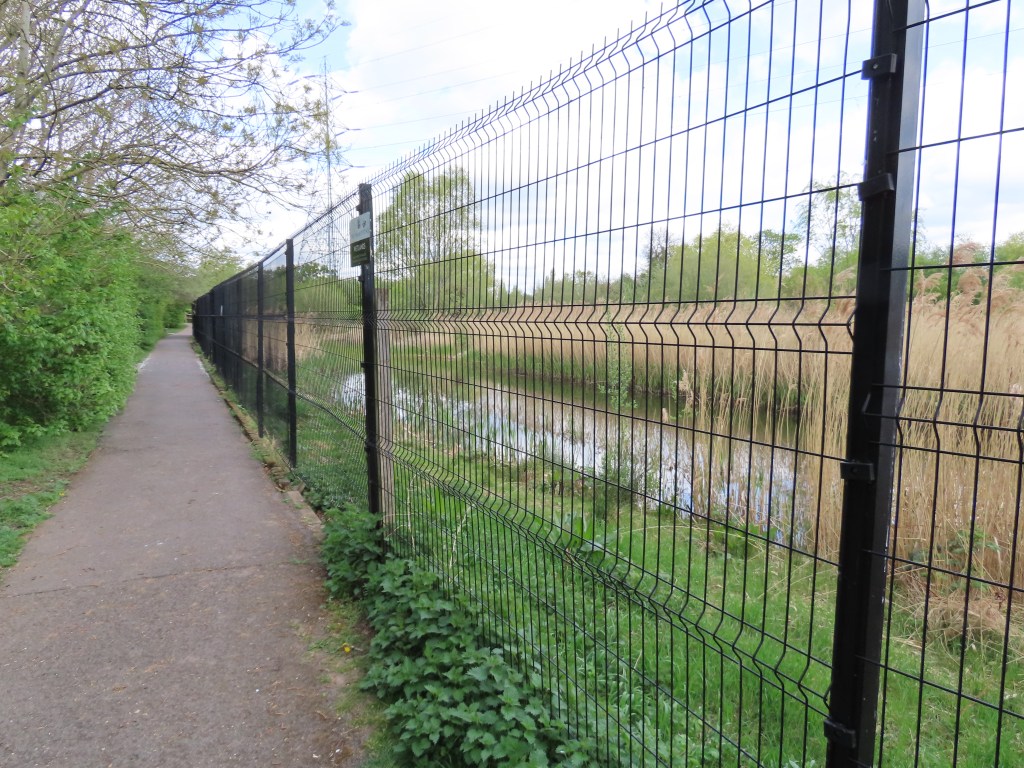
The highlight is the wetland nature reserve, consisting of five lakes, reedbeds and an area of scrub and woodland. Most of this is fenced off to protect the wildlife, but a footpath, viewing platform and boardwalk provide good access.
The wetland is actually ‘SuDs’ (sustainable drainage systems), that stores and filters road run-off so as to not overwhelm the sewer system, which means it is heavily managed. Added to this, a number of terrapins have been dumped in the water over the years, and a fishery opened on the main pool. It is unclear to what extent these matters have impacted the ecology of the reserve, but there has been a gradual decline in bird life compared to the early years and similar local sites. That said, the presence of standing water and reedbeds make this a Borough II Site of Importance for Nature Conservation and there is much to see.
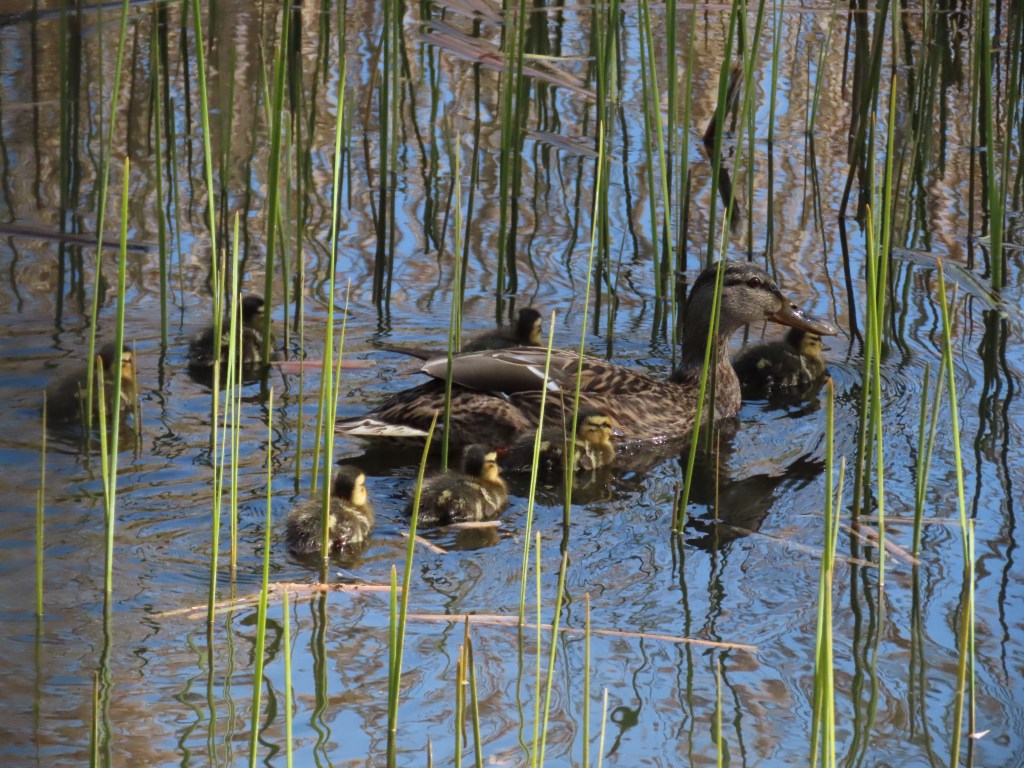
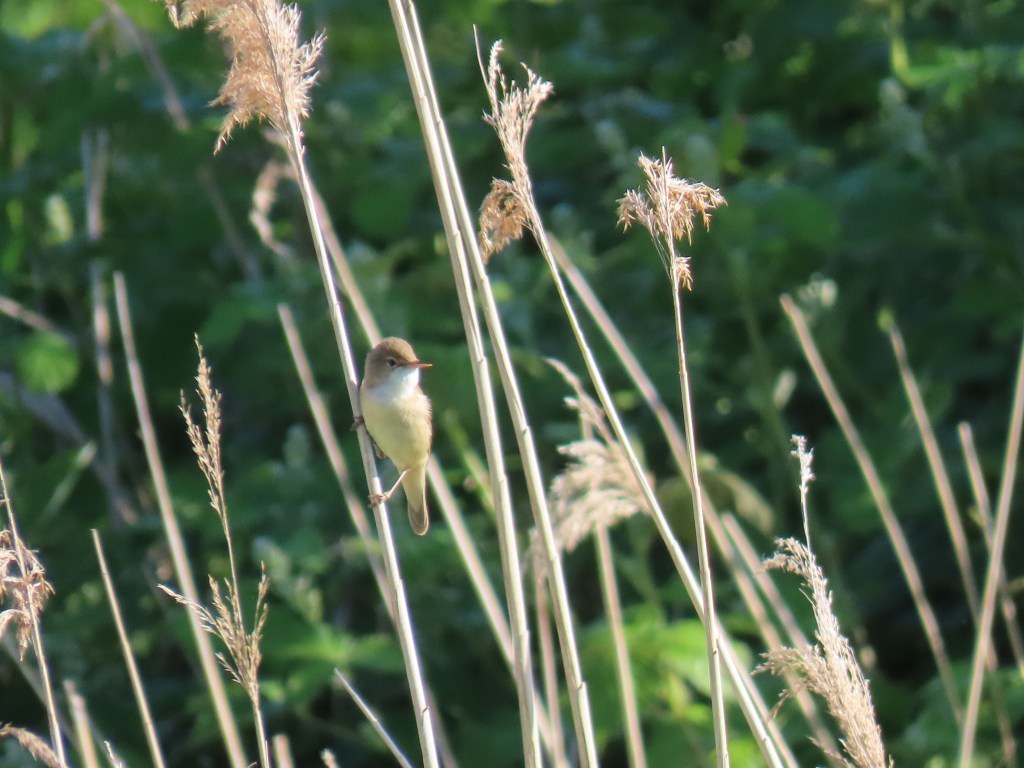
In spring/summer, it can have around eight Reed Warbler territories and one Whitethroat. A number of Coot and Moorhen will breed every year, and in some years Mute Swan and Mallard. Sedge warbler will normally pass through, and a local colony of Swift will come and feed throughout summer. Winters normally bring the odd Water Rail. A Cetti’s Warbler has been ever present for the last couple of years, and on occasion you will find Kingfisher and Cormorant. Rarer species spotted in recent years include Bearded Tit, Common Tern, Goosander and Reed Bunting.



 Sparrowfeld Patch